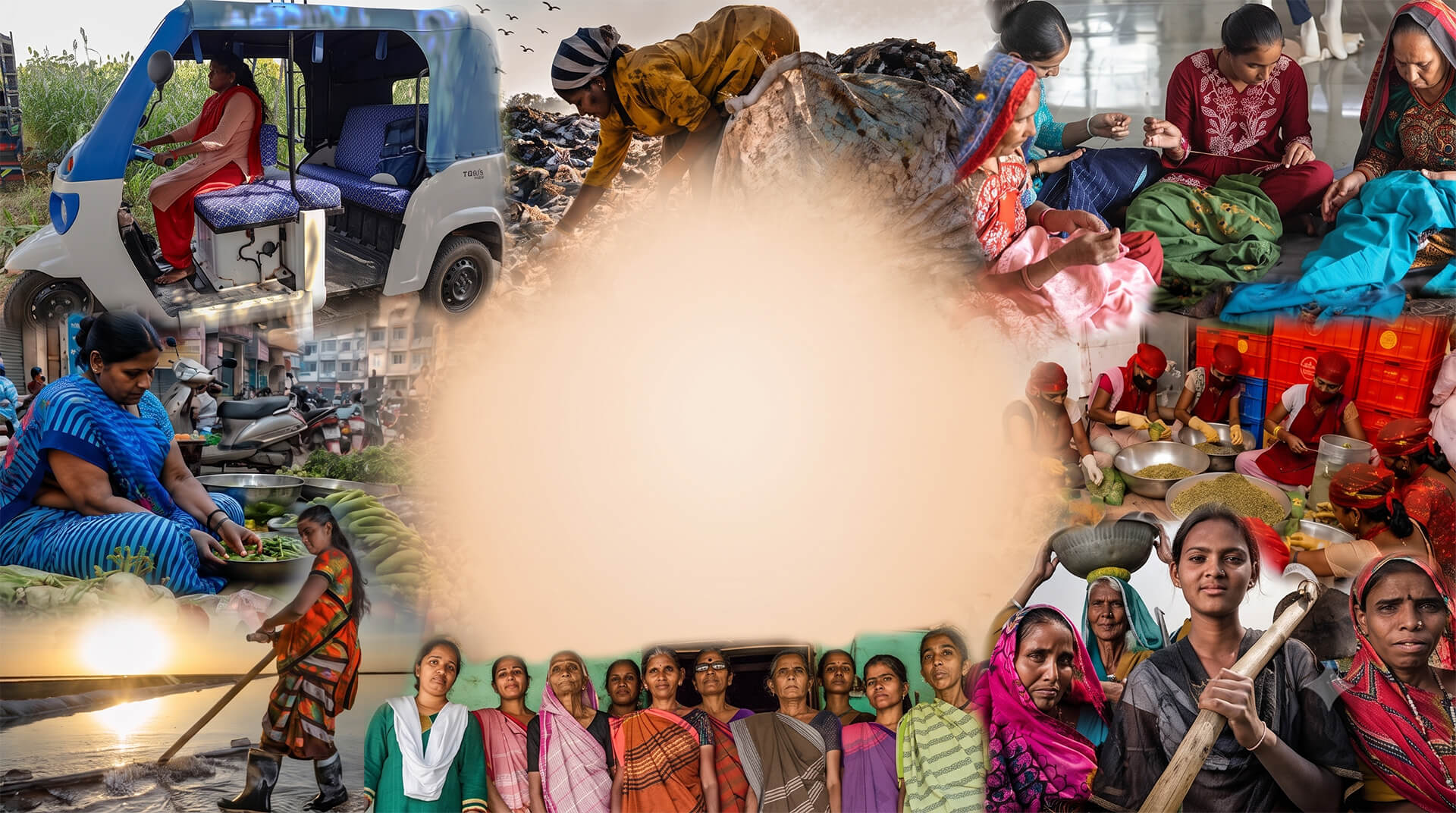
SEWA is an organisation of poor, self-employed women workers. Its core objective is to ensure that women achieve full employment and become self-reliant. Today, SEWA is working across 18 districts in Gujarat and 20 states in India, and has also extended its work to neighbouring countries such as Afghanistan, Pakistan, Nepal, Bhutan, Maldives, and Bangladesh. SEWA’s members come from different occupations such as home-based workers, vendors, producers, and service providers. Together, they form a strong collective of millions of women workers who are organised for their rights and livelihoods.
Music has always been an integral part of our society since ancient times. In India, especially in rural areas, music has been closely connected with social and cultural life for generations. Whether it is an occasion of birth, marriage, or even death, songs have always been a part of our traditions. Communities like Charans, Deviputras, and Gadhvis have preserved storytelling through music in forms such as duha, chhand, and soratha. From the raas of Lord Krishna in Gokul to garba, music continues to express devotion and celebration. Folk traditions like bhavai, performed in villages for years, also reflect how deeply music is rooted in our daily lives.
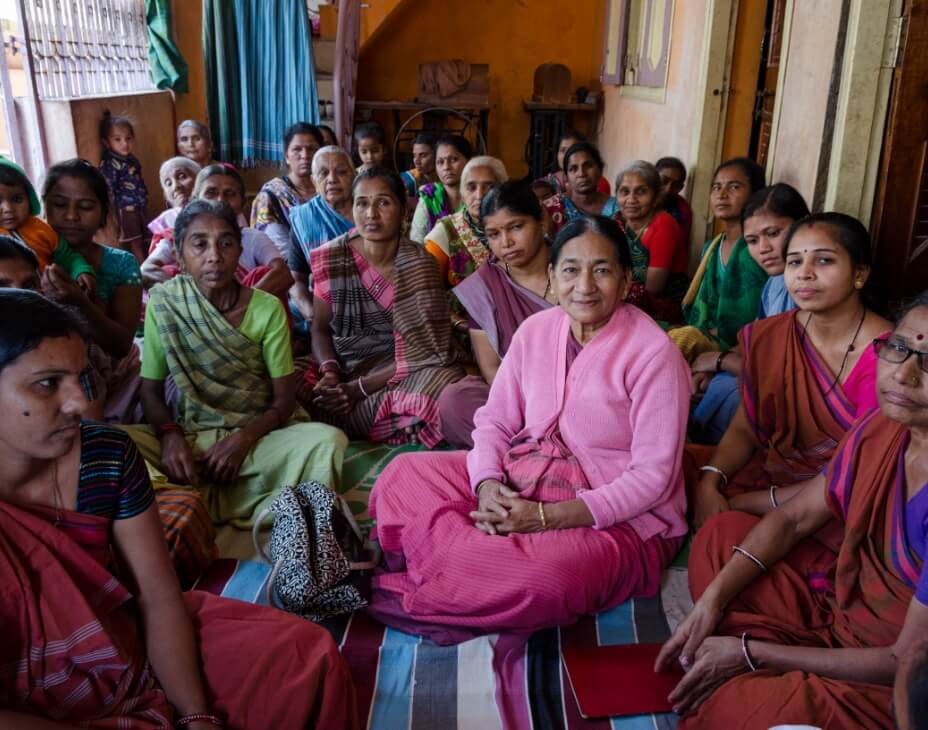
SEWA has always followed the Gandhian way of life. Therefore, every activity in SEWA begins with prayer. This prayer is not limited to any one religion but represents all faiths. Gandhiji has said that prayer is the food of the soul, and SEWA believes that starting the day with prayer brings inner strength, peace, and a sense of direction in our work.
Music is also a powerful way for SEWA members to understand and share messages. Whether it is about saving water, land, food, energy, or protecting the environment, women create their own songs and share these messages within their communities. Through songs, they connect with other women in their neighbourhoods and villages.
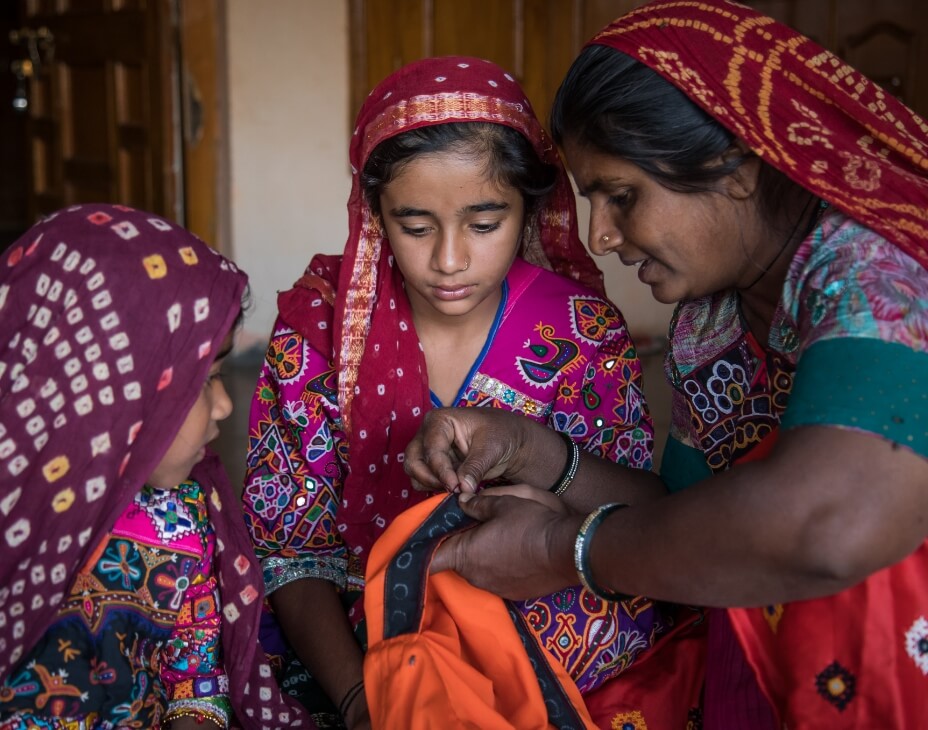
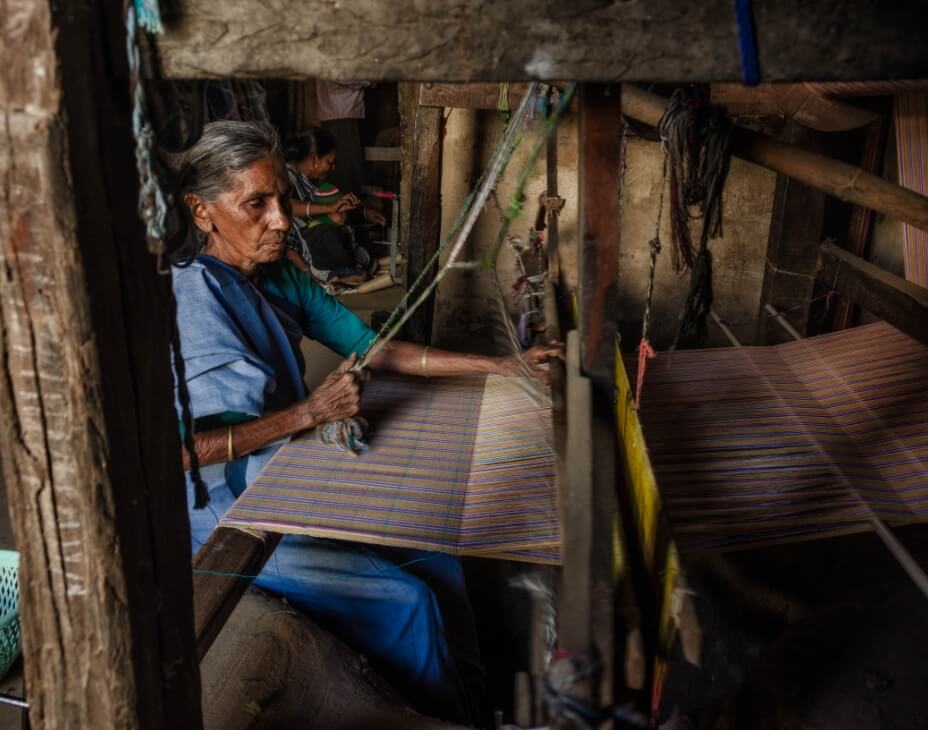
At the same time, whether women are working in the fields, nurturing plants in nurseries, doing embroidery, or working in the salt pans under the harsh sun, they are always humming songs. For them, work and music are not separate. Their work carries rhythm, and music becomes a part of their everyday life.
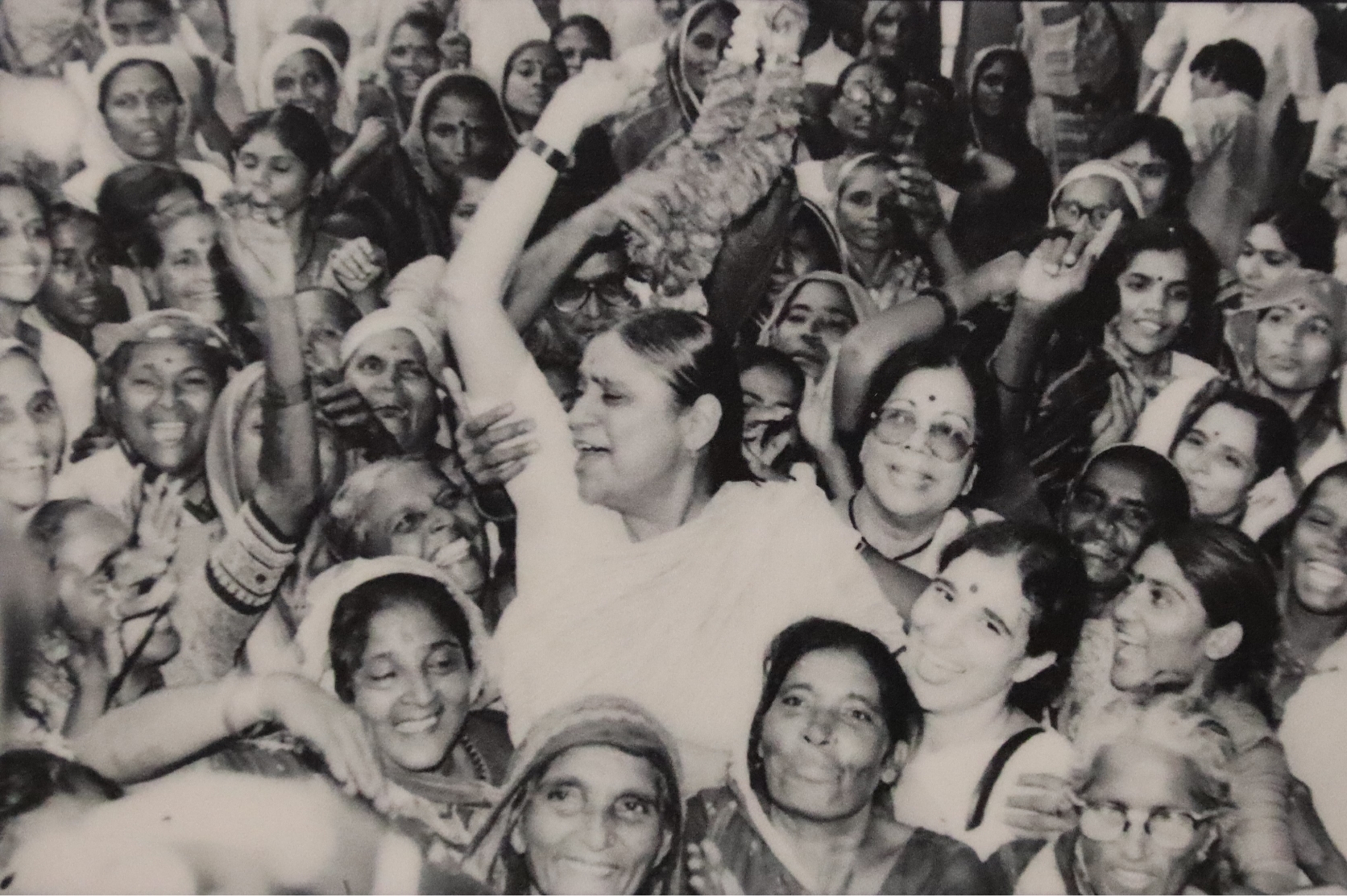
Women, whether from rural or urban areas, celebrate festivals and gatherings with great enthusiasm, where music plays an important role. In SEWA also, meetings and trainings often end with songs, creating a sense of unity, joy, and energy among members.
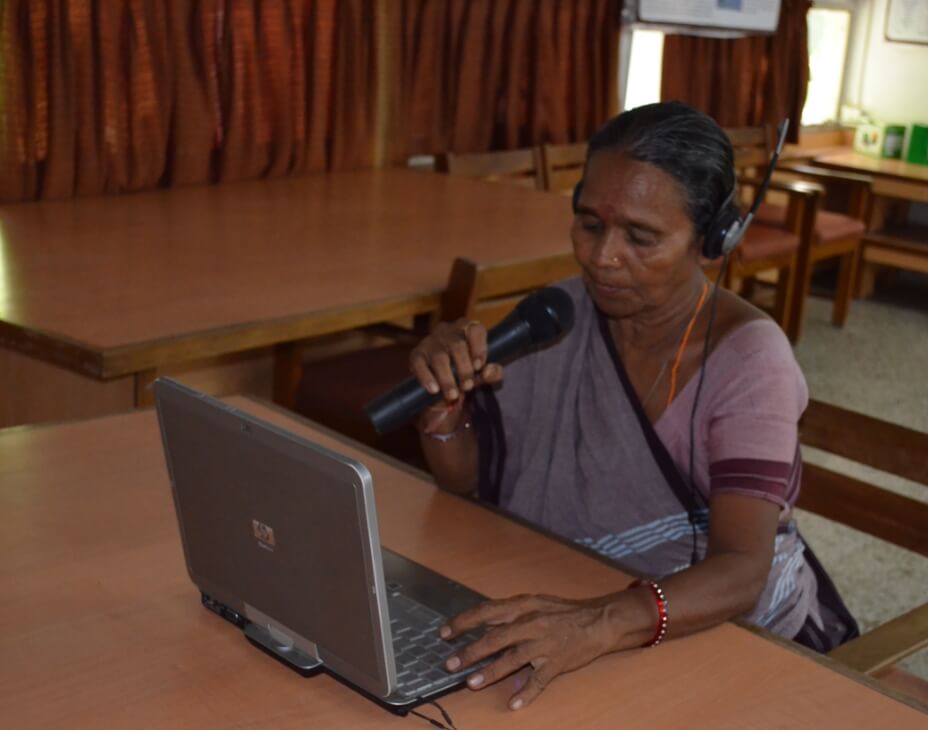
Over time, the way we listen to music has changed. Earlier, music was experienced through village gatherings and radio. With the arrival of new technologies such as cassettes, CDs, and now mobile phones, music has become more accessible. While this has increased reach, it has also brought changes in the nature of music. Traditional folk music is slowly fading, and in many places, it has been replaced by film music.
SEWA recognises the importance of preserving this cultural heritage. Through its Sanskar Kendras and community radio, SEWA has been working to carry forward traditional art and culture to the next generation. As part of this effort, SEWA has initiated a campaign called Navrang Prayog. This initiative aims to identify and support traditional singers and musicians who carry forward this cultural legacy and bring them forward.
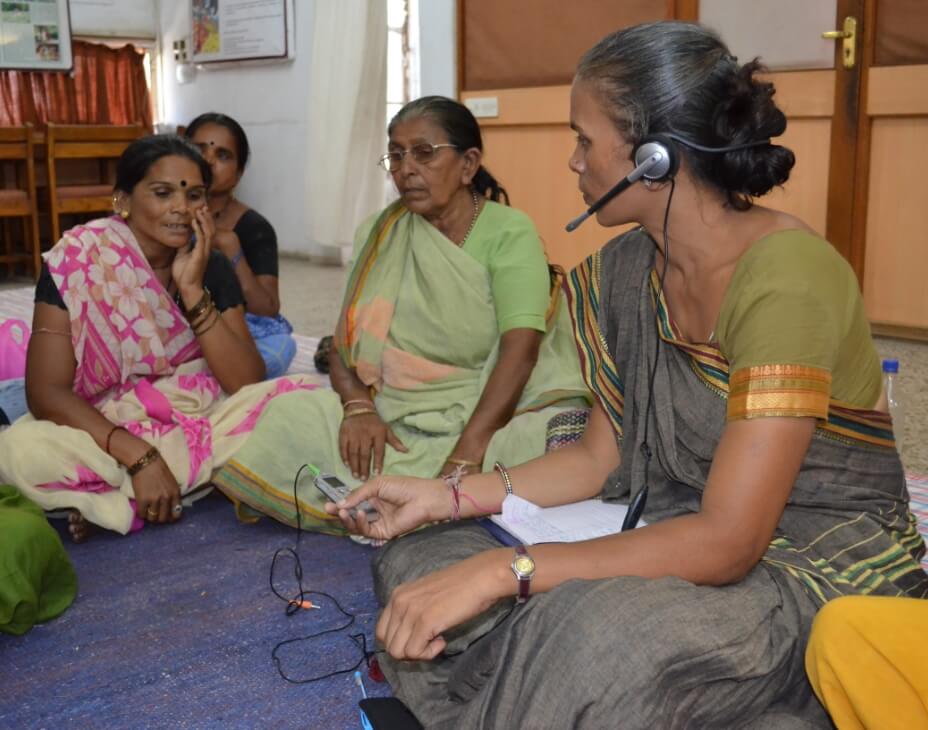
This effort is especially important today as SEWA is increasingly connecting with younger women from the second and third generations. These young women face many livelihood challenges, and music can become one such pathway where their skills can be developed and nurtured.
Through music, women can find opportunities for livelihood while also preserving their cultural identity. In this way, music can help women strengthen their skills, earn an income, and at the same time keep their traditions alive. This is closely aligned with SEWA’s vision where women themselves become producers, managers, and owners of their work.
This initiative is not limited to Gujarat or India. SEWA is working to connect women across South Asia to preserve their traditional music. In countries like Afghanistan, Bangladesh, Bhutan, Maldives, Nepal, Pakistan, and Sri Lanka, music holds a special place in people’s lives. Each of these regions has its own unique musical traditions that reflect their culture and identity.
Just like in India, music in these countries is deeply connected with everyday life, community, and expression. Through this initiative, SEWA aims to bring these diverse traditions together and celebrate them collectively.
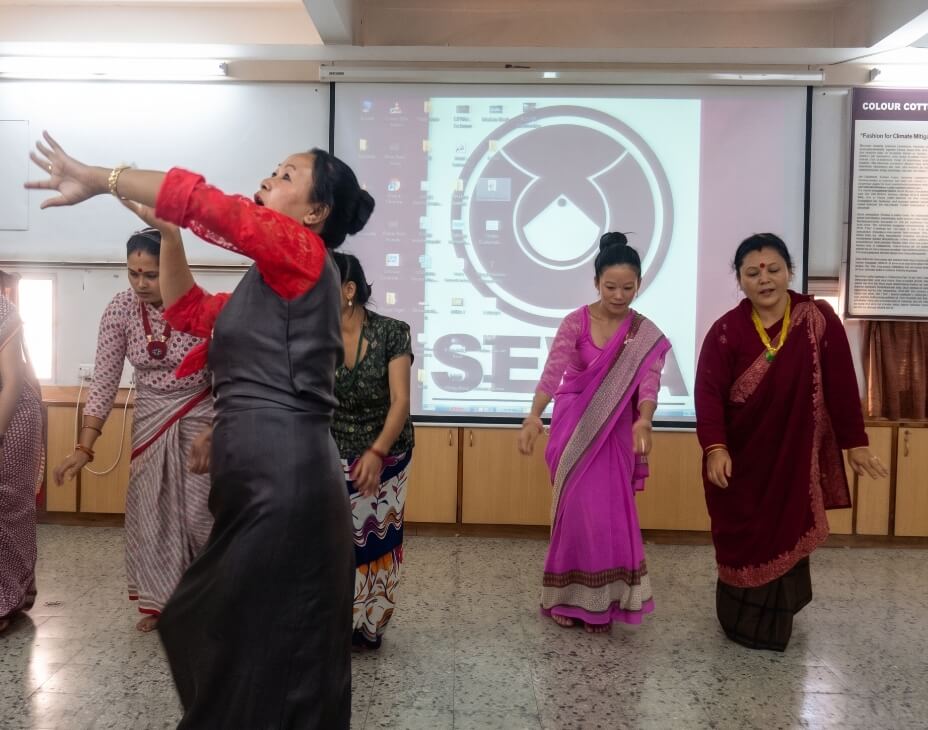
Across villages and communities, music is deeply woven into people’s lives. Even today, many village groups continue to keep traditions alive by connecting music with social, cultural, and spiritual narratives.
At SEWA, the values of unity, equality, and collective strength bring women together across regions, religions, and countries. In the same way, music becomes a powerful medium that can strengthen this connection. It has the ability to bring people together, build understanding, and create harmony.
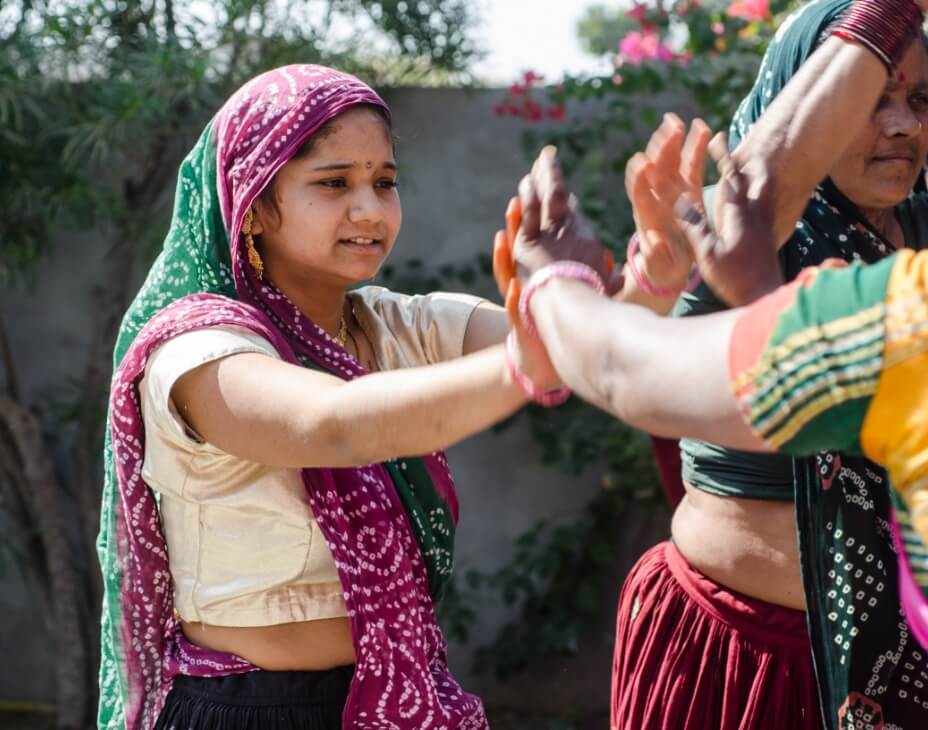
SEWA sees women and music as inseparable. There is rhythm in labour, harmony in nature, and melody in everyday work. ShramGaan is an effort to bring women together through this shared rhythm. It reflects the idea that work itself carries music, and through this music, women can connect with each other, strengthen their unity, and build a collective identity.
ShramGaan is therefore not just about songs, but about celebrating the spirit of work, dignity, and togetherness.